Heat Pumps
Heat pumps are a low-carbon way to heat your home and have an important role to play in the UK’s journey to a more sustainable future.
While heat pumps have been used for many years, they’re still often misunderstood. Many homeowners are unsure about how they work, whether they’re suitable for their home, and what benefits they can offer. This advice guide explains how heat pumps work in simple terms and helps you decide whether a heat pump could be a good fit for your home.
What is a heat pump?
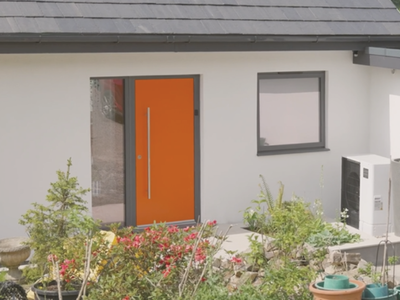
A heat pump is a type of central heating system. It takes warmth from outside your home, from the air, ground or water, and uses it to heat your home. Heat pumps do not produce direct carbon emissions when they run.
There are different types of heat pump. The three most common are:
- Air source heat pumps, which take warmth from the air outside your home.
- Ground source heat pumps, which take warmth from the ground around your home.
- Water source heat pumps, which take warmth from nearby water, such as ponds and rivers.
How does a heat pump work?
As we said before, a heat pump works by taking natural warmth from outside your home. Most heat pumps are connected to a wet central heating system. This means they heat water, which is then circulated through the pipes in your home. As the warm water flows through your radiators, it helps keep your home comfortable and warm.
Many heat pumps can also provide your hot water when they are connected to a hot water cylinder, giving you both heating and hot water from a single system.
Is a heat pump right for my home?
When thinking about installing a heat pump, there are a few general things to consider. Let's have a look.
Heat pumps work best in well-insulated homes
Heat pumps warm your home in a different way to a gas or oil boiler. They usually heat water to a lower temperature, typically around 45°C, compared with around 60°C from a traditional boiler. Because of this, a heat pump provides a gentler, more steady warmth. Your home may take a little longer to reach the temperature you've set, but once it's warm, it can stay comfortable for longer.
Good insulation plays an important role. It helps keep heat inside your home, so your heat pump doesn't have to work as hard to maintain a comfortable temperature. In a poorly insulated home, heat can escape more quickly, making it harder to keep rooms warm and energy efficient. The good news is that many homes can benefit from insulation improvements, which can help a heat pump perform at its best.
Radiators and underfloor heating
Heat pumps work most efficiently when they can spread heat across a larger area. Because they operate at lower temperatures than traditional boilers, some homes may need larger radiators to provide maximum comfort. A heat pump installer will assess your existing heating system and let you know whether any changes are needed.
Underfloor heating can also work very well with a heat pump. Because it heats a large area of your home evenly, it can help make the most of the lower temperatures that heat pumps use.
Whether you have larger radiators, underfloor heating, or a combination of both, a well-designed heat pump system can keep your home warm and comfortable throughout the year.
Hot water cylinder
Unlike a combi boiler, a heat pump does not usually provide hot water instantly when you turn on a tap. Instead, heat pumps typically store hot water in a hot water cylinder, ready for you to use when you need it.
If your home already has a hot water cylinder, it may be possible to adapt or replace it, so it works with a heat pump. A qualified installer can assess your current system and explain the options available.
Grant funding for heat pumps
Boiler Upgrade Scheme (BUS)
The Boiler Upgrade Scheme or "BUS", is a government initiative that offers grants to help property owners replace their fossil fuel heating systems with heat pumps or biomass boilers. The scheme aims to reduce carbon emissions, energy bills, and fuel poverty. The scheme is funded by the government and the major energy suppliers and administered by Ofgem.
We think this fund might help you with the upgrades your home needs. You should contact some local MCS accredited heat pump installers. We recommend getting three quotes.
The cost of installing a heat pump usually exceeds the value of the grant and may cost you more than replacing a gas boiler. The bills are likely to remain similar, but it would result in a significant reduction in carbon emissions.
To find out more, visit https://www.gov.uk/apply-boiler-upgrade-scheme
Want to find out more?

Want to know if a heat pump will work for your home? PEC can help.
Our Future Fit services provide independent, expert advice on the suitability of a heat pump for your property and how it can fit into a wider home upgrade.
Visit our Retrofit Services page or complete the contact form below to get started.