Living with Solar Panels
Making small changes in your routine can help you lower your electricity bills even further. It’s about learning to make simple adjustments to make the most of the free electricity generated by your solar panels.
Here are some simple and practical tips to help you get the very best out of your solar panels. Let’s go!

Carry out tasks that use most electricity during the middle of the day
Ironing, vacuuming, cooking, using the dishwasher and doing the laundry use a significant amount of electricity. By tackling these jobs during the middle of the day - when your solar panels are likely generating the most power - you can make the most of the free electricity available.
When the solar generation is low, this might be a convenient time to switch on relatively low powered devices, such as a dehumidifier.
Charge electrical items during daylight hours
Charge your electrical items during daylight hours, or when the solar generation is low.
Since your solar panels don’t generate electricity after dark, it’s best to charge devices like phones, electric toothbrushes, and laptops during the day. By topping them up while your panels are producing free energy, you can make your power go further and keep your costs down.
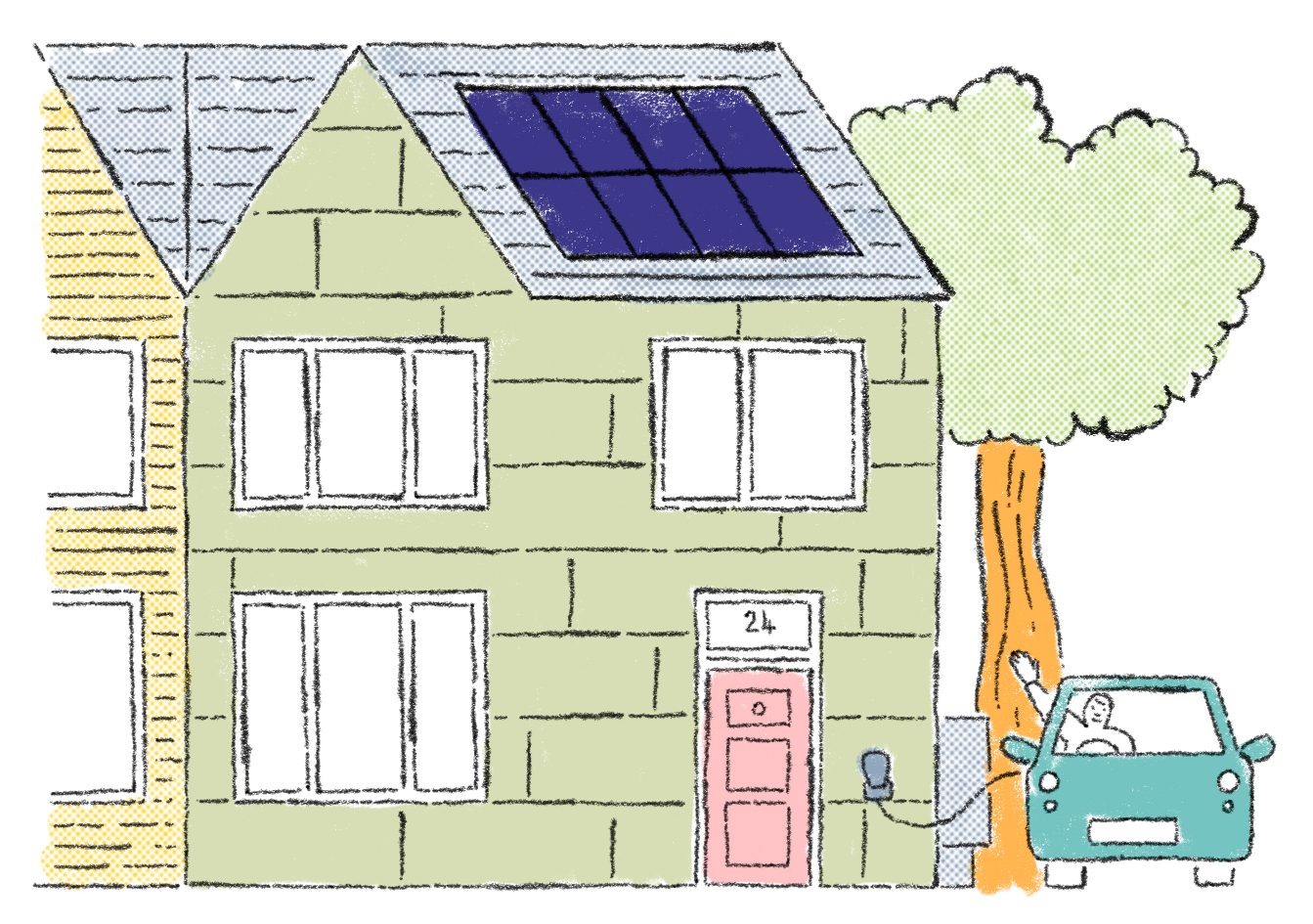
Cook a hot meal in the daytime
If you use an electric cooker, preparing your main meal during the day can help you make the most of the free energy your solar panels produce. If you’d rather eat later, simply reheat the meal at dinnertime - this uses far less electricity than cooking from scratch.
Shower during the day
If you use an electric shower, try to shower during daylight hours rather than after dark. This way, you’re making the most of the electricity your solar panels generate during the day.

Use one major appliance at a time during daylight hours
Even on sunny days, your solar panels may not generate enough free electricity to run more than one major appliance at once. Appliances like electric cookers, vacuums, kettles, irons, washing machines, tumble dryers, and dishwashers can use a lot of electricity, so it’s best to use them one at a time.
For example, during the day:
- Switch your dishwasher on after you used your electric cooker, not at the same time
- Try to avoid putting the kettle on at the same time as using your hair dryer
How many appliances your panels can power for free varies. It depends on the size and location of your panels, the weather, and how much electricity each appliance uses. Because of these factors, it’s not always possible to say exactly which appliances can run for free at any given moment, but using them one at a time gives you the best chance of staying within your solar power generation capacity.
TIP:
if you use your in – home display, you have a convenient way to monitor your solar generation and usage. It allows you to understand how much each appliance consumes and optimise their usage accordingly.
Want to find out more?
Want to know if solar panels will work for your home? PEC can help.
Our Future Fit services independent, expert advice on the suitability of solar panels for your property and how they can fit into a wider home upgrade.
Visit our Retrofit Services page to find out more.