Energy price cap - what you need to know
The Energy Price cap set by Ofgem increased by 13% (on average) for domestic energy users on 1st July 2026.
On October 1st, there was another 4% increase - the highest the Price Cap has been in 3 years.
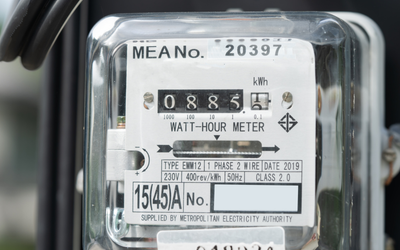
The Energy Price Cap is the maximum amount energy suppliers can charge you for each unit of energy and standing charge if you're on a standard variable tariff. It is reviewed by energy regulator OFGEM every three months.
How does the Energy Price Cap work?
The Energy Price Cap limits the amount that a supplier can charge for their default tariff. This includes:
- The standing charge: a daily fixed amount you have to pay, no matter how much energy you use.
- The price for each unit of electricity and gas you use, measured in pence per kilowatt hours, or p/kWh.
The most common type of default tariff is a ‘standard variable’ tariff, where the amount you pay is subject to price changes, although your supplier should write to you to confirm any changes with a notice period. The Price Cap limits the rate that a standard variable tariff can charge – the unit rate will not exceed this.
It’s important to note that the Price Cap is based on typical energy use - if you use more, you will be charged more.
From 1st October 2026, the Price Cap increased by an average of 4% compared to the Cap last set in July 2026 (depending on payment method).
The bill for an "average home" with both gas and electricity, that pays for their energy by direct debit, is now £1,723 a year for Quarter 4 of 2026.
What do I need to do?
Submit a meter reading to avoid being overcharged - To avoid being charged more than you should, it's a good idea to give a meter reading to your supplier around the time of each Price Cap change to avoid any dispute over what you used before and after prices changed. You can still do it for a few days after, and some suppliers may even let you provide backdated readings after the Price Cap changes. We recommend you keep a photo or video of your meter reading for your own records in case of a dispute. See below for guidance on how to take a meter reading.
Contact your energy supplier - Your energy supplier can tell you what tariff you are on, as well as providing information about more economical tariff options. They can also help manage energy debt and negotiate payment plans where needed. If you need support with contacting your energy supplier, we can help – just get in touch.
Check for a fixed rate tariff - Do a comparison with other energy suppliers to see if you could pay less for your energy. Fixed-rate tariffs fix the unit price and standing charge for a set time period, so you know what you will be paying. You can find more useful advice on fixed energy deals on our webpage. If you need support with switching your energy supplier - just get in touch.
- Check if you are eligible for financial support - You may be able to access grants to help with your energy bills and/or to upgrade your home to make it warmer and more comfortable. Contact us to find out more.
Is this relevant to me?
The Price Cap applies to you if you are on a default energy tariff with your supplier and pay for your electricity and gas by the following methods:
- Direct Debit (the cheapest way to pay for your energy)
- Paying on receipt of a bill (paying on receipt of a bill usually has slightly higher tariff rates than direct debit)
- Prepayment meter
The Price Cap doesn’t apply to you if you are on a Fixed-term Tariff (with specific start and end dates and fixed unit rates for this period). If you aren’t sure which tariff you are on, your energy supplier can give you this information.
If you have a Smart Meter that is working correctly, you don't need to do anything. (If your bills show "actual" or "A" reads, this means your smart meter is sending automated reads and it working correctly. If your bill shows "estimated" or "E" reads, this may mean your smart meter has stopped communicating with your supplier, and you should contact them with a manual reading as soon as possible. The supplier may need to send an engineer to your home, or may be able to fix the communication issues remotely.
How to take a meter reading:
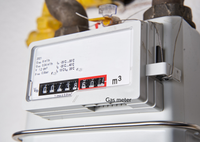
The simplest way is to take a picture of your meters, so you have the readings to hand. Then log in to your online account and enter the readings.
Many suppliers also let you send readings via text message, or through mobile apps such as WhatsApp. You can also call your supplier, these are usually automated telephone lines so you can give your readings without having to join a queue.

When the Price Cap is adjusted:
OFGEM changes the Energy Price Cap every 3 months/every quarter:
- 1st January - 31st March 2026
- 1st April - 30th June 2026
- 1st July - 30th September 2026
- 1st October - 31st December 2026
The October 1st Energy Price Cap went up by an average of 4% compared to the Cap set in July 2026.
The January 1st 2027 Energy Price Cap will be announced in late November - the increase is currently expected to be around 21% (30/09/2026). Click here to read more.